Perspective Is Powerful… Ask an Astronaut or a Blind Turtle
Written by John Allcock
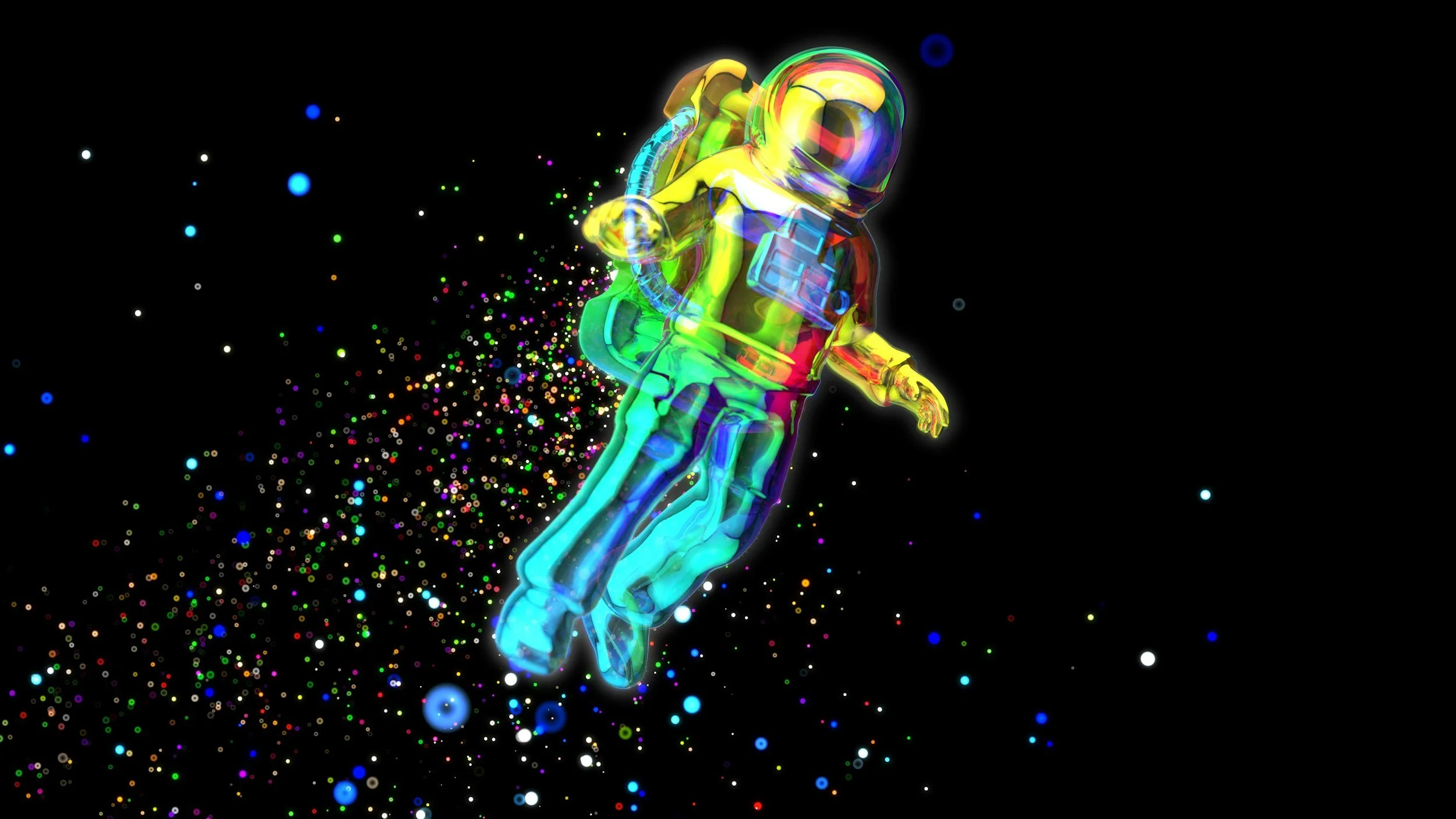
“Suppose two astronauts go to the moon. When they arrive, they have an accident and find out that they have only enough oxygen for two days. There is no hope of rescue. They have only two days to live. If you asked them at that moment, ‘What is your deepest wish?’ they would answer, ‘To be back home walking on the beautiful planet Earth.’ That would be enough for them; they would not want anything else. They would not want to be the head of a large corporation, a big celebrity or president of the United States. They would not want anything except to be walking on Earth, enjoying every step, listening to the sounds of nature and holding the hand of their beloved while contemplating the moon."
Thich Nhat Hahn
The Buddha's teachings recognize the tremendous power that perspective has to influence our experience of life--to actually determine whether we suffer from, or are happy with, the external conditions the world daily presents to us.
The quote from Thich Nhat Hahn brings to life something we already know--that our perspective, the lens through which we view our life, has everything to do with our present moment happiness.
The astronauts had their perspective radically altered by a change in life circumstance--telling someone they only have two days to live changes not only their horizon but also how they view each remaining moment.
Without the perspective change, perhaps the astronaut's perspective was that happiness was conditioned on achieving some future significant life milestone.
That is the perspective with which most of us walk around life: I will be happy when I get a new job, when the boss treats me well, when I get a raise, when my partner drops his or her bad habits and so on.
Thus, we deem ourselves unhappy until the desired event occurs and thus are blind to the incredible beauty and treasures that our life is filled with right now.
Our culture promotes this "I only will be happy when" perspective, which results in a constant state of anxiety--suffering--about whether the hoped-for event (or events) will happen.
The Buddha recognized that perspective, or really a change in perspective, can greatly alter our life experience, without any actual change in external conditions.
The Buddha promoted the perspective that a human life was extraordinarily precious, and that no moment should be wasted in a state of suffering. There were no astronauts in the Buddha's time. His audience was almost exclusively Hindu, whose common belief was that each human could have been born into this life in a different form (insect, dog, turtle etc), which did not have the capacity to imagine, or any of the other gifts that come with our human mind. He taught perspective with a parable. Imagine that the chances of being born human were the same as the chances that a blind turtle, starting from the bottom of the ocean, would find a hole in a piece of driftwood floating on the surface several thousand feet above him. He taught that each day we should wake with the perspective that we were as lucky to be born human as the blind turtle. So that we would view each moment of our life as incredibly rare, precious, and appreciated.
Imagine if we started each day with the perspective of the blind turtle, or the astronaut. How would we choose to spend our time? How would we choose to feel about the things that come up, which we now view as immense problems? How would we choose to view those aspects of our life--each step, the sounds of nature, our loved ones-- which we now sometimes take for granted?
The Buddha taught that each moment presents us with a choice--a choice as to what lens we use to view our life experience. That choice has more to do with our happiness than what the Universe delivers to us.
His teachings are all about how to choose perspectives, principles and practices which free us from suffering—and promote real happiness— in each moment.